
Oops, I Leaked It Again
We’ve all had that cold spike of dread when we misplace a wallet or keys. You tear up the couch cushions, check under the car seats, and swear you’ll be more organized next time.
Now, imagine that instead of losing your wallet, you accidentally misplaced hundreds of millions of credit card numbers, and the bill to clean up your mess had nine zeros at the end.
Cybersecurity breaches are a nightmare for corporations, but for the rest of us, looking back at the bills is a masterclass in financial karma. Let’s dive into the corporate hall of shame to look at the most jaw-droppingly expensive data breaches in history.
1. NotPetya (2017) — The $10 Billion Disappearing Act
- The Cost: A casual $10 billion.
- The Story: In 2017, a piece of malware called NotPetya swept across the globe. It technically masqueraded as ransomware, but it didn't actually care about getting paid—it just wanted to watch corporate networks burn. It originally spread through a compromised Ukrainian accounting software and rapidly choked out global shipping giants (like Maersk), pharmaceutical empires, and major delivery services.
- The Lesson: When your IT department begs you to update your computer, they aren’t just trying to disrupt your afternoon coffee break.
2. TJX Companies (2005–2007) — The Ultimate Clearance Sale
- The Cost: Up to $4.5 billion.
- The Story: The parent company of T.J. Maxx and Marshalls proved that hackers love a good bargain just as much as discount shoppers do. Cybercriminals managed to siphon off data from over 94 million customer accounts over an agonizingly long 18-month period. Between legal settlements, a massive overhaul of their Swiss-cheese infrastructure, and a brutal hit to their stock price, the final tally ballooned into the billions.
- The Lesson: Relying on basic, outdated Wi-Fi encryption is the digital equivalent of locking your front door with a piece of wet spaghetti.
3. Epsilon (2011) — The Marketing Meltdown
- The Cost: An estimated $4 billion.
- The Story: Epsilon was a massive email marketing firm handling campaigns for corporate titans like Best Buy, Target, and JPMorgan Chase. When hackers broke in, they didn't steal credit cards—they just stole names and email addresses. Sounds harmless? Think again. The attackers weaponized those names to launch highly sophisticated, hyper-targeted phishing scams. The resulting ripple effect of lawsuits, lost clients, and forensic audits reached an astronomical maximum estimate of $4 billion.
- The Lesson: Just because hackers "only" took your email address doesn't mean they won't use it to trick your grandma into buying them Bitcoin.
4. Change Healthcare (2024) — The Medical Monopoly Mishap
- The Cost: Roughly $2.87 billion.
- The Story: A ransomware group known as ALPHV/BlackCat completely paralyzed Change Healthcare, a massive payment processor handling about 40% of all medical claims in the United States. The attack caused total chaos: doctors couldn't bill, pharmacies couldn't verify prescriptions, and patients were left stranded. Change Healthcare paid a staggering $22 million ransom just to get their data back, but the operational damage and recovery efforts pushed the final bill deep into the billions.
- The Lesson: Putting all of your healthcare billing eggs into a single, massive digital basket makes for an incredibly lucrative target.
5. Equifax (2017) — The Credit Bureau Blues
- The Cost: Over $1.4 billion.
- The Story: Equifax—a company whose entire job is to judge how financially responsible you are—forgot to patch a well-known security vulnerability. Because of this oversight, hackers made off with the highly sensitive personal data (including Social Security numbers and birth dates) of 147 million Americans. Equifax had to pay out massive FTC settlements, offer free credit monitoring for years, and watch their reputation faceplant.
- The Lesson: If your business is keeping tabs on everyone else's security, make sure your own digital house isn't built out of cardboard.
The Billion-Dollar Breakdown
Here is a quick look at how these historic digital blunders stack up side-by-side:
| Company / Attack | Year | Estimated Cost | Main Vulnerability |
|---|---|---|---|
| NotPetya | 2017 | $10 Billion | Compromised updates / Unpatched systems |
| TJX Companies | 2005–2007 | $4.5 Billion | Weak Wi-Fi data encryption |
| Epsilon | 2011 | $4 Billion | Phishing & compromised credentials |
| Change Healthcare | 2024 | $2.87 Billion | Ransomware entry point |
| Equifax | 2017 | $1.4+ Billion | Unpatched server software |
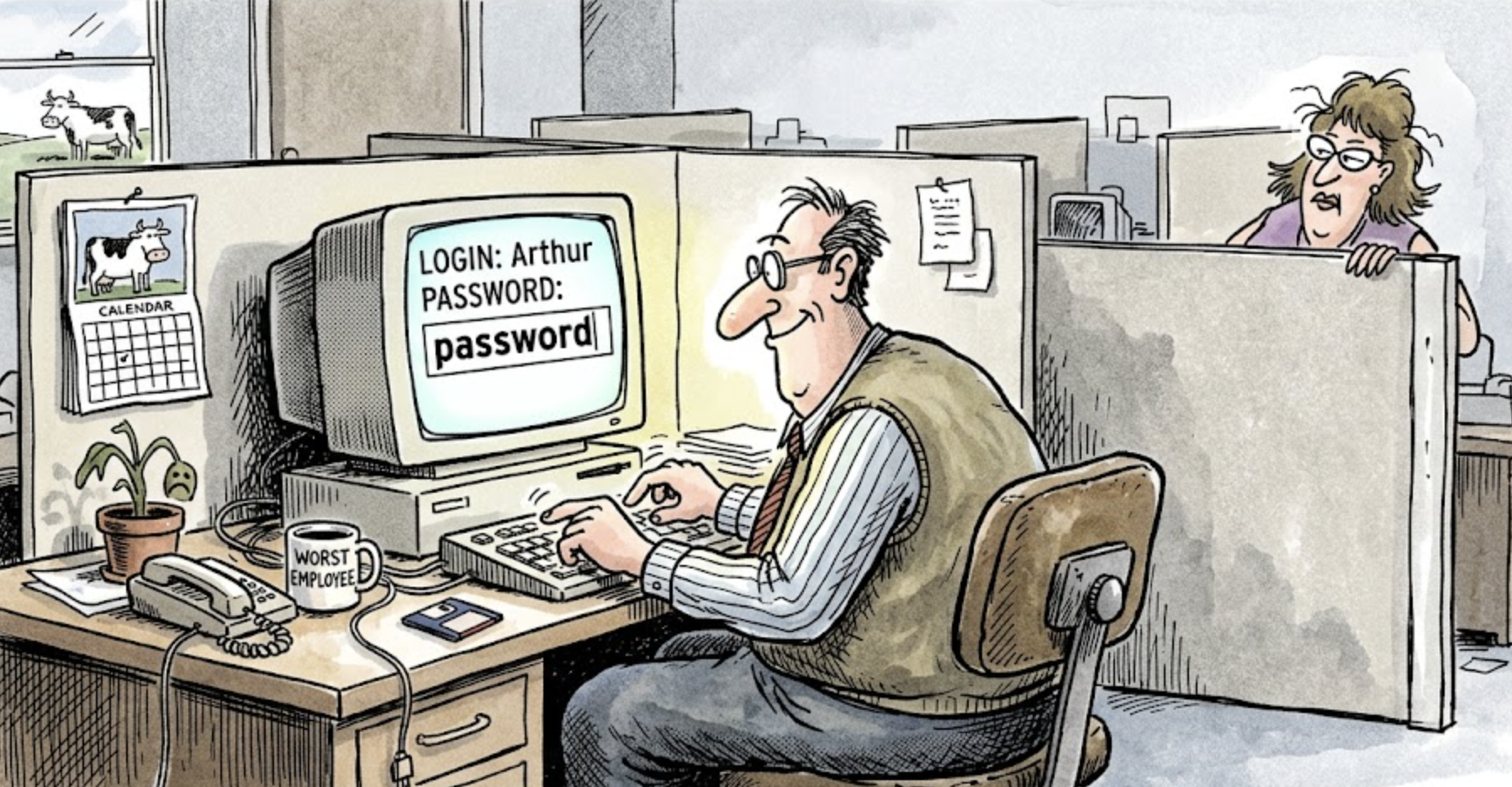
Friendly Reminder: Don't let your company be brought to its knees because somebody's still using their dog's name as their password.
chris@nearauth.ai